What does it take to start over in a new country?
For many South Asian architects and designers, moving to Canada meant navigating a new industry, mastering unfamiliar standards, and building a life from scratch—all while staying rooted in their passions.
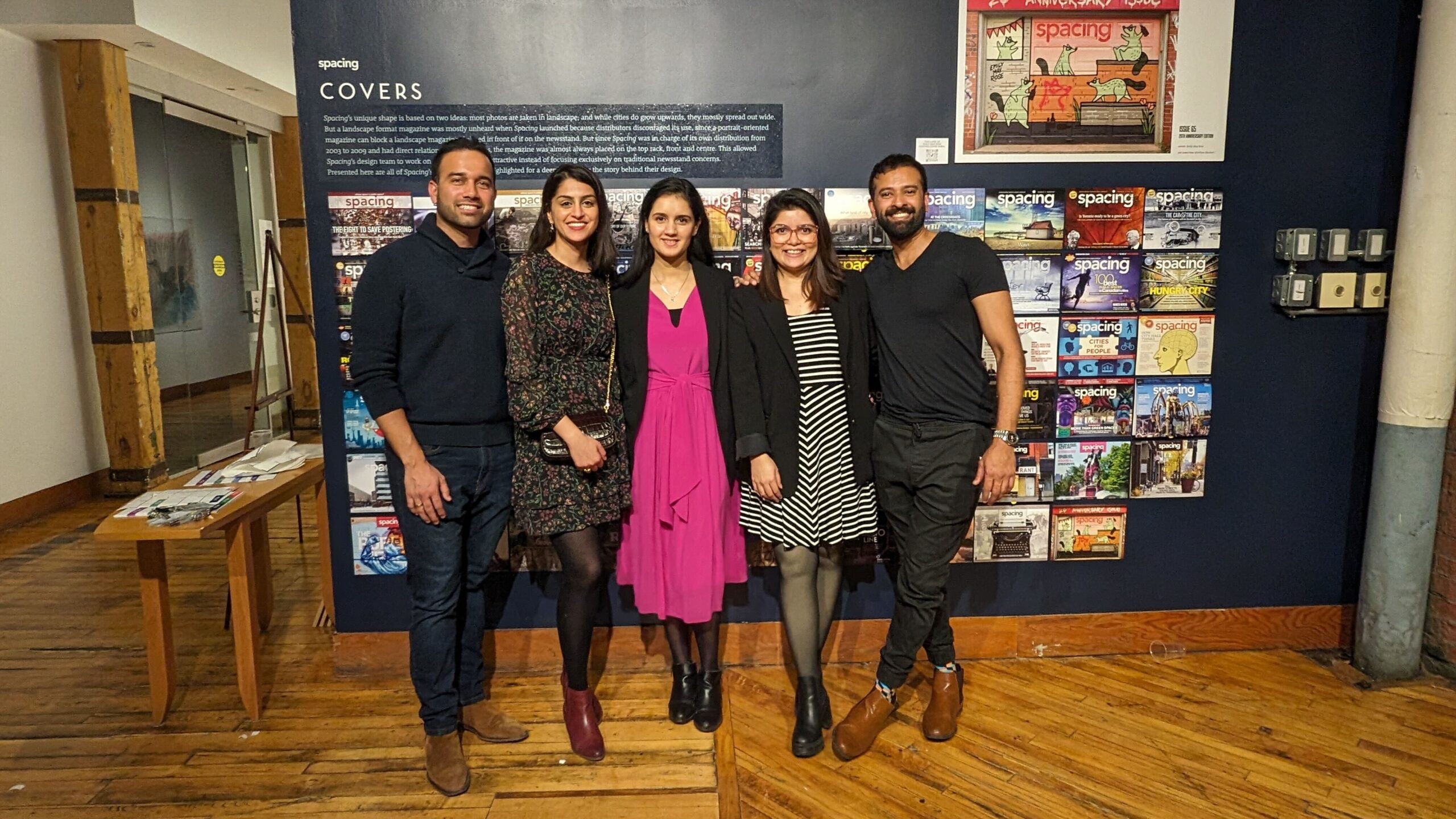
The founding members of Society of South Asian Architects, Canada (SOSA) faced these challenges head-on, transforming struggles into opportunities to create a community where others could thrive.
So, how did they overcome these challenges? What kept them motivated through the hardest phases? And what inspired them to create SOSA? Let’s step into their shoes and follow their paths—because in their journeys, you might just find reflections of your own.
Tushar describes his experience as a “blend of challenges and accomplishments,” constantly evolving and adapting alongside an ever-changing field.
For Kanika, studying architecture in Canada sparked her passion for Heritage Architecture, and though living alone in a new country was challenging, it built her confidence and tenacity. “I’m always open to new opportunities and grateful to give back by mentoring students and newcomers.”
Tejasi’s journey has been a “transformative process of self-discovery,” marked by the privilege of learning through projects and volunteer opportunities. She reflects, “This journey has been a beautiful reminder that in this field, as in life, the learning never stops.”
Saachi, who arrived in her 30s, speaks of building resilience and seeing how her efforts now align toward a fulfilling future, despite the challenges of moving and navigating the pandemic.
For Aman, transitioning from Dubai, recalls learning Canada’s codes and industry standards from scratch. “Getting my OAA license and mentoring newcomers through SOSA has been rewarding.”
What was your initial step toward discovering your career path in Canada?”
“It was all about setting milestones,” shares Tushar, who arrived with a degree from New Delhi and 3.5 years of experience in architecture. Enrolling in a Construction Project Management program, he aimed to understand Ontario’s laws and sustainable design practices, even earning a LEED AP BD+C certification. “My path was open-ended, but these steps prepared me for any opportunity.”
Kanika’s journey began at the University of Waterloo, where she discovered a passion for Heritage Architecture under the guidance of inspiring mentors. “They truly shaped my path,” she says. Now a member of the Canadian Association of Heritage Professionals, she urges newcomers to explore what truly interests them. “Don’t hesitate to start from scratch if needed.”
For Tejasi, the move from Mumbai to Toronto was about growth and discovery. “I started by working at a boutique firm in Kitchener-Waterloo that focused on single-family residential homes, while also taking continuing education courses at Toronto Metropolitan University to deepen my understanding.” She did her Sustainable Building Design course from MITx after she discovered her interest in interiors, new technologies and materials.
Saachi emphasizes adaptability. “My first job here was crucial to understanding the Canadian market,” she says, merging her international experience with local insights. Networking and learning from established professionals also helped her navigate new challenges.
Aman’s journey was shaped by connections. “Support from my Dubai mentor helped me land my first job here,” he recalls. This experience not only helped me discover my career path in Canada but also reinforced the importance of trust and collaboration in shaping my professional journey.
How and where did you seek guidance for your career path?
Tushar found that networking became a guiding force. “Every conversation was a learning experience,” he shares, as he engaged with industry professionals at TSA, RAIC, and OAA events. These interactions provided him with invaluable insights into different career pathways and industry trends. “Listening to their journeys helped me understand various perspectives and career pathways,” he adds.
“While I did not have a community like SOSA to seek guidance from” recalls Kanika, who met some amazing professionals who helped her navigate through challenges. “I never hesitated to put myself forward and ask questions which impacted my growth immensely,” she says.
“Hearing personal stories and professional insights from industry leaders, especially how they overcame challenges, has been truly eye-opening.” Tejasi invested in networking as a way to grow professionally, particularly after becoming a mother.” I’ve gained a wealth of knowledge and unique perspectives that have been instrumental in my personal and professional journey,” she notes.
Saachi found guidance within her workplace. “My managers and colleagues provided unwavering support,” she shares, describing it as her “safe haven” where she felt comfortable seeking advice and discussing her goals. “Having a strong network of individuals who understood both my background and my aspirations, has been crucial.“
Aman, however, believes “ It’s about staying focused, working hard, and trusting that the results will speak for themselves.“ By staying focused and delivering high quality work, Aman made a positive impact which organically opened opportunities for him, rather than seeking guidance.
What kept you motivated through the hard phases?
Tushar reflects on the importance of laying a strong foundation in his 20s and 30s, saying, “I always believed in the saying, ‘Make hay while the sun shines.’ These years were about investing time and effort into building a career that would sustain me in the long run.”
For Kanika, the decision to move to Canada became her anchor. “No place is perfect, but it can be the perfect place depending on your priorities,” she shares. The clean air, polite people, and beautiful landscape reminded her why she made the move, helping her find joy and purpose even in tough times. “ Find what’s non-negotiable for you and work towards building a life around it and achieving it.”
Tejasi emphasizes the importance of a strong support system. “ nurturing personal relationships is just as important as professional development,” she says. Building a network of friends and family, while prioritizing physical and mental health, helped her stay grounded and motivated.
Patience and resilience have been Saachi’s guiding virtues. “Difficult times are inevitable, but embracing them as opportunities for growth has been key,” she notes. Drawing strength from mentors and friends, she found fresh perspectives and encouragement to keep moving forward. “I’ve learned that perseverance in the face of adversity not only builds character but also leads to greater fulfillment in the long run,” she adds.
For Aman, adversity is a catalyst for creativity and growth. “The tough phases push you to think on your feet and come up with solutions. Overcoming these challenges is what leads to real progress,” he explains. For him motivation comes from knowing, overcoming the situation leads to personal and professional development.
What motivated you to build a community like SOSA?
For Tushar, the idea stemmed from a clear gap in the industry. “There wasn’t a dedicated community for South Asian professionals, especially those experiencing the unique challenges of immigrating here. We wanted a platform to share knowledge and mentor those just starting their journeys.”
Kanika echoes this sentiment, drawing from her years of mentoring aspiring architects. “Since 2014, I’ve been guiding design professionals moving to Canada. Building SOSA was about creating a collective that helps newcomers avoid repeated mistakes.” With so many South Asian immigrants arriving in recent years, a platform for the community felt essential for Kanika.
Tejasi’s personal experiences shaped her commitment to SOSA. “When I moved in 2016, I struggled to navigate the certification process. I realized there were not enough resources available to help internationally trained architects guide them.” She decided to contribute for easier integration of design professionals into the Canadian context through SOSA.
For Saachi, the journey was about fostering connections. SOSA was born out of one of the countless coffee chats and conversations with peers.”We wanted to create a space where people could comfortably share their stories, hardships, and successes. We are thrilled to see how it has already positively impacted the lives of so many of our members and followers.” shares Saachi.
Aman sums up the mission beautifully: “When I moved to Canada, connections were what helped me find my footing and kickstart my career. I wanted to bring that same sense of community here “ For him SOSA was about creating a space where people connect, share experiences and open doors for one another.
What piece of advice would you give to your younger self who was struggling to reach the position you are in today?
“Be patient and trust the process,” advises Tushar. He reflects on how easy it is to feel frustrated when results aren’t immediate, but emphasizes that every experience—good or bad—teaches valuable lessons. “Trust that things will fall into place as long as you stay committed to your goals.”
Kanika touches the importance of urging her younger self to keep an open mind and to never hesitate to ask questions. “Meet new people and network with leaders. You’ll always learn something new, no matter whom you meet. And don’t compare your journey to others—it’s uniquely yours.”
Tejasi emphasizes the value of continuous learning, encouraging her younger self to actively seek knowledge through courses, workshops, and connections. “The more you learn, the more valuable you become,” she says. Exploring would lead to the most fulfilling experiences.
Saachi offers a heartfelt reminder to embrace patience and self-compassion. “Struggles and setbacks are not signs of failure—they’re essential for growth. Celebrate the small victories; each step forward, no matter how minor, is progress.” She highlights the importance of staying curious and open-minded, as unexpected opportunities often lead to the most rewarding paths.
“I would tell my younger self to stay motivated and stay hungry. Don’t be afraid of discomfort—embrace it,” says Aman. Moving to Canada and starting fresh challenged him in transformative ways. “Trust in your ability to learn and adapt. Don’t be afraid to ask for help.” He likes to advise “Be comfortable being uncomfortable.”
The journeys of SOSA’s founding members remind us that challenges can become opportunities, and resilience is the cornerstone of success. Through their experiences, we see how mentorship, community, and persistence can transform daunting beginnings into inspiring achievements. If you’re navigating your own architectural journey, remember that you don’t have to do it alone.